
Why ADHD & Neurodivergence Symptoms Get Worse During Perimenopause

Many women notice that ADHD, AuDHD and autism symptoms become significantly worse during perimenopause. Common symptoms include:
Brain fog
Forgetfulness
Anxiety
Sensory overload
Emotional dysregulation
Increased overwhelm
Fatigue
Burnout
Poor concentration
Executive dysfunction
Worsening PMDD symptoms
There is a strong hormonal and neurological reason behind these symptoms.

For women over 35, fluctuating hormones during perimenopause can directly affect dopamine, nervous system regulation, inflammation and cognitive function. These changes can make previously manageable ADHD or neurodivergent symptoms feel much more intense.
Can Perimenopause Make ADHD Worse?
Yes! Research and clinical experience both show that perimenopause can worsen ADHD symptoms in women.
Oestrogen plays an important role in:
Dopamine production
Neurotransmitter signalling
Focus and concentration
Mood regulation
Cognitive performance
Nervous system function
During perimenopause, hormone levels fluctuate unpredictably. As oestrogen changes, dopamine signalling can become less stable, which may increase ADHD-related symptoms.
Many women report:
Difficulty focusing
Reduced motivation
Poor memory
Increased emotional sensitivity
Feeling mentally “wired but tired”
Increased anxiety and overstimulation
For some women, perimenopause is also the first time they recognise ADHD or autism traits in themselves.
ADHD, Dopamine & Perimenopause
Dopamine is one of the key neurotransmitters involved in:
Attention
Motivation
Executive function
Reward pathways
Mood regulation
Women with ADHD already tend to have differences in dopamine regulation. During perimenopause, fluctuating hormones can further reduce dopamine activity, making symptoms feel more severe.
This is one reason many women experience:
Increased procrastination
Low motivation
Emotional dysregulation
Fatigue
Difficulty coping with stress
More dopamine-seeking behaviours
Dopamine also naturally declines during the luteal phase of the menstrual cycle, which is why PMDD symptoms often worsen during perimenopause.
Why Neurodivergence Symptoms Can Intensify During Perimenopause
Perimenopause can increase:
Sensory overwhelm
Social fatigue
Emotional burnout
Shutdowns or meltdowns
Sleep disruption
Anxiety
Cognitive fatigue
Why? Hormonal fluctuations can affect the brain’s ability to regulate stress, sensory input and emotional processing. Increased neuroinflammation during perimenopause may also contribute to these changes.
Many women describe feeling like their nervous system is “constantly on high alert.”
The Role of Inflammation & Neuroinflammation
Perimenopause is associated with increased inflammatory changes throughout the body and brain (neuroinflammation).
Neuroinflammation may contribute to:
Brain fog
Mood changes
Fatigue
Cognitive dysfunction
Anxiety
Nervous system hypersensitivity
Stress, poor sleep, blood sugar instability and nutrient deficiencies can further worsen inflammation and hormone-related symptoms.
Natural Support for Neurodivergence & Perimenopause
As a naturopath with over 12 year clinical experience specialising in women’s hormones and neurodivergence in women over 35, my approach focuses on supporting both the brain, inflammation pathways, nervous system function and hormones.
This may include:
Supporting dopamine production
Nervous system regulation
Reducing inflammation and neuroinflammation
Blood sugar balance
Stress resilience
Sleep support
Nutritional medicine
Herbal medicine
Some nutrients and herbs commonly used in clinical practice include:
N-acetylcysteine (NAC)
Lemon balm
Withania (Ashwagandha)
Lion’s mane mushroom
Ginkgo biloba
Saffron
Zinc
B vitamins
Magnesium
Support should always be personalised based on the individual, symptoms, medications, hormone picture and nervous system presentation.
When to Seek Support
If you are experiencing:
Worsening ADHD symptoms
Increased PMDD symptoms
Severe brain fog
Hormonal anxiety
Nervous system dysregulation
Burnout or overwhelm during perimenopause
It may be worth exploring the connection between hormones, dopamine, inflammation and nervous system function.
Whether you have been formally diagnosed with ADHD or simply resonate with neurodivergent traits, understanding why these symptoms are happening is often the first step toward feeling more supported and in control again.
Ready to Feel More Like Yourself Again?
Book a naturopathic consultation with Lydia for personalised support tailored to your hormones, nervous system, energy, gut health and cognitive function.
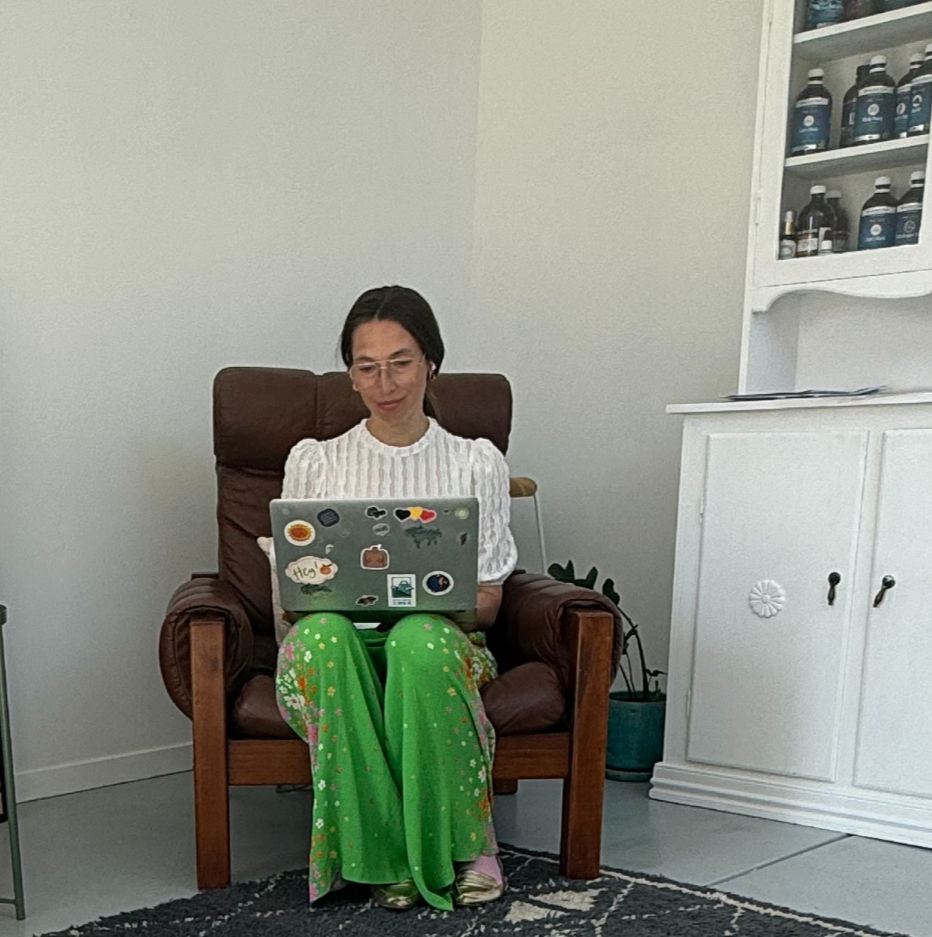
Using a neuroaffirming and evidence-informed approach, Lydia helps women better understand and support the underlying drivers contributing to overwhelm, fatigue, burnout, hormone-related changes and worsening ADHD symptoms during perimenopause and beyond.


I relate HARD to this
This is exactly what my life has been like for the last 18 months 😵